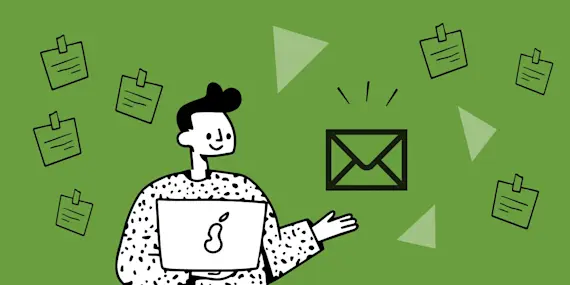





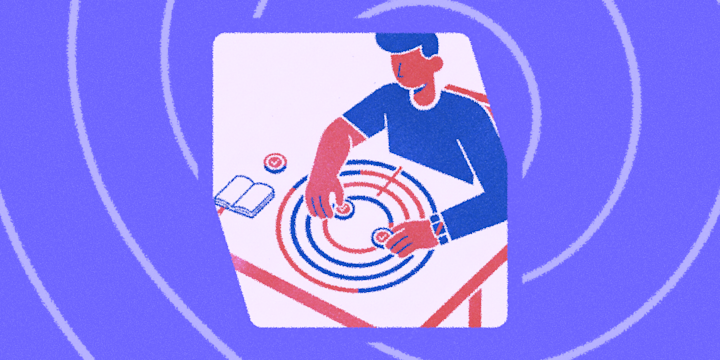
You know this person. Maybe you are this person. There's a spreadsheet somewhere with your sleep scores in it. Your phone has at least three apps whose entire job is turning your life into a number. And somewhere in the back of your mind is a nagging list of stats you meant to start logging but haven't gotten around to, because who has time to manually type in yesterday's readiness score before their coffee's even kicked in.
IFTTT is basically built for this exact kind of person. Connect the tracker you're already wearing or using to wherever you actually want that data to live (a spreadsheet you can sort, a calendar you can scan), and it lands there the second it's created instead of sitting trapped in an app you only open once a day.

1. Sleep and recovery, without opening the Oura or Whoop app every morning
Every Oura or Whoop wearer has the same routine: wake up, check the score, let it decide the whole shape of the day. The problem is the score never leaves the app, so charting it over months means manually retyping it into a spreadsheet every morning. And most people only use the data to look backward. These six cover the full loop across both wearables: log what happened, get the number pushed to you, and let the data actually change tonight's plans and tomorrow's task list instead of just sitting there as a stat.
-
Append Oura Ring sleep sessions to Google Sheets
 31
31
-
-
Email readiness score from Oura Ring when available
9
-
-
Get an evening wind-down reminder in Apple Reminders when Oura detects short sleep
2
-
-
Create a high-priority task in Todoist on high Oura readiness days
1
-
-
Append Whoop sleep sessions to Google Sheets
-
-
Quick-add Rest Day to Google Calendar from Whoop
-









2. Weight and body metrics that build into an actual trend line
A number on a scale means nothing by itself. It only starts meaning something once you can watch it move over eight weeks, and that means it has to land somewhere you can graph it instead of sitting inside a smart scale app you check once and forget about. This matters even more for anyone without a connected scale at all, since manually keeping that history means remembering to write the number down every single time you step on a regular one.
-
Log new Withings weight entries to Google Sheets
1.71k
-
-
Log new Withings weight to Google Calendar
326
-
-
Update Strava weight from new Withings weigh-in
1.73k
-
-
Log your weight to iOS Health with a Note widget
5.95k
-




3. Workouts that log themselves the second you finish
Strava logs the run, the pace, the elevation gain you're weirdly proud of. Your phone's own activity sensor can do something similar, catching a bike ride the second you stop pedaling, no app required. Either way, that data usually stays put, so if you want a record beyond the app's own feed, you're stuck manually screenshotting your stats just to prove it happened.
-
When you stop bicycling with Android Activity, automatically add a row to Google Sheets.
4
-
-
Save Strava activity to iOS Calendar event
3.88k
-
-
Add new Strava activities to Google Calendar
5.68k
-
-
Email your Strava activity summary
614
-


4. Where your actual time goes, not where you think it goes
Ask anyone how their week breaks down and they'll give you a guess dressed up as a fact. Almost nobody actually knows, and the gap is usually worst at the office, where "I got in around 9" turns into "I got in around 9:40" and nobody catches it happening. Manually logging every arrival lasts about two days before you forget, so let your phone's location do it instead.
-
Track time at locations with Google Sheets
157k
-
-
Log time spent at a location in Google Calendar
18.6k
-
-
Track your work hours in iOS Calendar
88.9k
-
-
Log your work hours automatically in Google Calendar
158k
-

5. Track literally anything with a widget
No fancy connected device required here. Just a phone, a home screen widget, and enough discipline to tap it, since the stuff no wearable can measure (coffees, how many times you refilled the dog's water bowl, how many times your toddler asked "why" today) needs somewhere just as simple and immediate as the habit itself.
-
Press Button widget to log a count in Google Sheets
8.61k
-
-
Log work hours in Google Sheets with a Button Widget
124k
-
-
Log work notes to Google Sheets from Note widget
10.7k
-
-
Save car location with Button widget notification
16.1k
-


6. Spending, tracked as it happens instead of reconstructed later
Nobody remembers where their money went by trying to recall it at month's end. That mental reconstruction always lands on "I don't know, stuff," which helps nobody. The purchase has to get caught the second it happens, and cash is the worst offender here since there's no transaction trail to fall back on, hence the manual options below.
-
Log Monzo purchases to Google Sheets
5.06k
-
-
Log Monzo card purchases in Google Calendar
947
-
-
Add expenses to Google Sheets with one tap
1.62k
-
-
Log cash expenses with Note widget and get a weekly Email Digest
185
-


7. What you actually get done, not what you meant to do
Every task app makes the same promise and breaks it the same way: check the box, and the task just gets buried under a pile of other checked boxes. A month later there's nothing to show for it but a vague feeling of having been "busy." Doesn't matter which app you live in either, since Todoist, Trello, and Apple Reminders all hit the same wall.
-
Log Todoist completed tasks to Google Sheets
8.5k
-
-
Log completed Trello cards to Google Sheets
2.29k
-
-
Log completed iOS Reminders in Google Sheets
1.95k
-
-
Add completed iOS Reminders to Google Calendar
1.88k
-

8. Screen time, tracked the way you'd actually look at it
The variety here comes from what feeds RescueTime, not the destination itself: a straight daily download, plus meetings and finished work getting logged as highlights so screen time sits next to the rest of your day instead of floating alone in its own report.
-
Log new RescueTime daily summary to Google Sheets
1.63k
-
-
Save RescueTime Daily Summary to Day One Journal
526
-
-
Log RescueTime highlight when a Google Calendar event starts
386
-
-
Log Trello completed cards as RescueTime highlights
369
-

9. Let AI make sense of everything you're tracking
Logging the raw numbers is only half the job. Somebody still has to look at a camera roll full of unsorted photos or turn a calendar invite into notes worth rereading later, and that somebody is usually you, at 11PM, mildly resentful about it. Gemini and Claude can take that part instead.
-
Save Android photos to Google Drive with Claude naming
29
-
-
Create Google Docs from Gemini meeting notes
5
-
-
Save Gemini analysis to Google Sheets
8
-
-
Save Gemini analysis to Google Drive
12
-






10. Your camera roll as a tracker
Progress photos, a screenshot of a stat you couldn't export, a picture of something you'll swear you'll remember later and won't: half of what serious trackers actually keep is just images, left loose in a camera roll like a junk drawer nobody's opened in months.
-
Upload new iOS Photos to Google Photos
54
-
-
Upload new Android Photos to Google Photos
26
-
-
Add new iPhone screenshots to a chosen album
115k
-
-
Save every selfie to a dedicated iOS Photos album
82
-


Connect your tools
Oura, Withings, Strava, Todoist, RescueTime, Monzo, Gemini, Claude, and Google's whole suite aren't the only things IFTTT plugs into. If part of your tracking habit lives somewhere else, these connect too:




This is exactly what IFTTT was built for
None of this replaces the tracker you already trust. Oura or Whoop still watches your sleep, Strava still logs the run, Todoist still holds the list. IFTTT just makes sure none of that data dies the moment it's created, sitting locked inside one app while the rest of your life gets tracked somewhere else entirely.
Once these are set up, a bad night, a heavy spending week, or a stretch where you actually got things done stops being a vague feeling and turns into something you can point to in a spreadsheet or a calendar. "How am I actually doing" stops being a question you have to dig for, and starts being something you can just look at.